Let’s get straight to the point. When you hear people talk about the classic “high” from cannabis, they’re talking about Delta 9 THC. It’s the primary psychoactive compound that delivers that signature feeling of euphoria, deep relaxation, and a noticeable shift in perception.
In simple terms, Delta 9 is the most abundant and well-known cannabinoid in the cannabis plant. It’s the engine behind the experience.
So, What Is Delta 9 THC, Exactly?
At its core, Delta-9-tetrahydrocannabinol (Delta 9 for short) is a natural chemical compound found in cannabis. While the plant produces over 100 different cannabinoids, Delta 9 is the one that commands the spotlight. Why? Because it interacts with our bodies more powerfully than any other.
Imagine your body has a complex internal communication system filled with locks. Delta 9’s unique molecular structure acts like a master key, fitting perfectly into specific cannabinoid receptors in your brain and central nervous system. This direct connection is what triggers its famous effects, making it far more potent than non-intoxicating cannabinoids like CBD.
Delta 9 THC at a Glance
To make it even clearer, here’s a quick rundown of what defines Delta 9. This table breaks down the essentials at a glance.
| Attribute | Description |
|---|---|
| Main Effect | Psychoactive (delivers the classic cannabis “high”) |
| Primary Source | Found in high concentrations in marijuana plants |
| Legal Status | Federally illegal, but state-by-state legality varies widely |
| Common Uses | Recreation, pain management, appetite stimulation, and mood enhancement |
While this table gives you a great snapshot, the real story is how these attributes come together. The psychoactive properties of Delta 9 define it. For a deeper scientific dive, the Wikipedia page on THC offers a comprehensive overview.
The power of Delta 9 goes far beyond the high. Its versatility is what makes it so remarkable. Whether you’re using it to spark creativity, unwind after a long day, or find relief from a chronic condition, its broad spectrum of effects is why it has remained the heart of the cannabis world for centuries.
Ultimately, understanding Delta 9 means recognizing it as the central, most impactful compound in cannabis. It’s a powerful molecule with a long and fascinating history with humanity.
How Delta 9 Actually Works in Your Body
Ever wonder what’s happening on a biological level when you consume Delta 9 THC? It’s not magic; it’s a fascinating interaction between a plant compound and a pre-existing system inside your body called the Endocannabinoid System (ECS).
Think of the ECS as your body’s master regulator. It’s a network of cellular receptors and signals that helps maintain internal balance, influencing everything from your mood and appetite to your perception of pain.
When you introduce Delta 9 into your system, it acts like a perfect key for the locks in this system. Millions of THC molecules bind directly to your cannabinoid receptors—especially the CB1 receptors, which are concentrated in your brain. This is the moment of connection that unlocks the psychoactive and therapeutic effects that cannabis is known for.
The Lock and Key Connection
This “lock and key” mechanism is the heart of the matter. When Delta 9 clicks into a CB1 receptor, it temporarily changes how your brain’s neurons communicate with each other. For you, this might translate into feeling euphoric, finding a joke funnier than usual, or simply sinking into a state of deep relaxation.
The infographic below visualizes how this one key compound from cannabis creates its signature “high” by tapping into your body’s built-in systems.
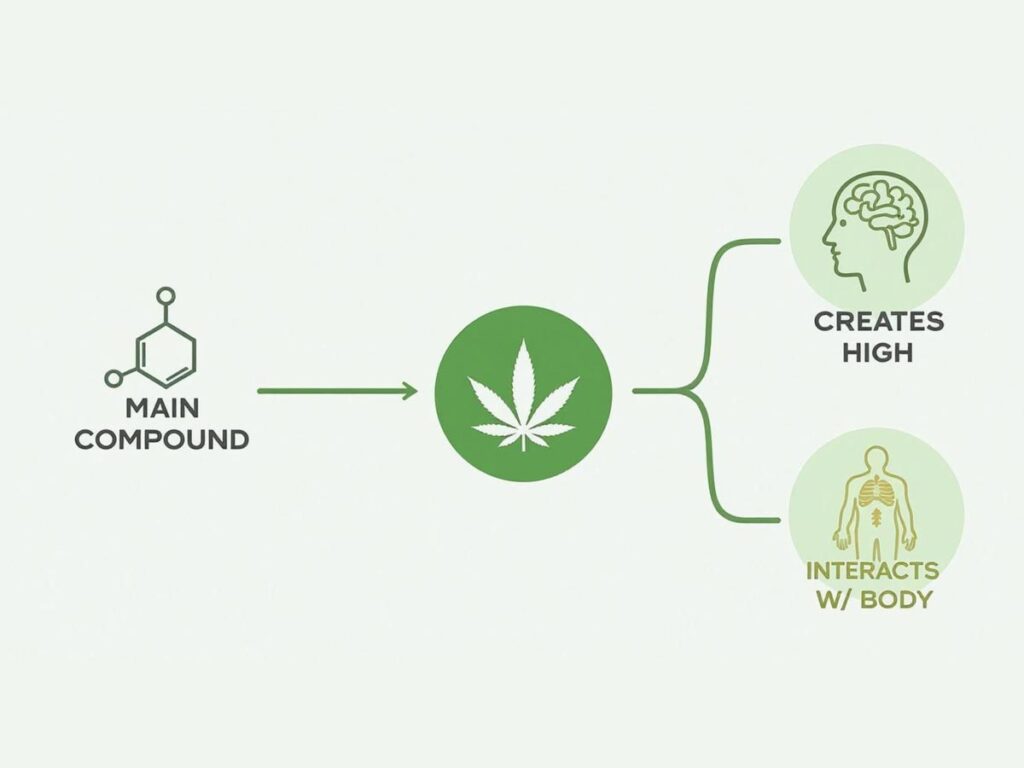
As you can see, there’s a direct line from the molecule to the experience it creates.
From Molecular Interaction to Real-World Relief
But this interaction isn’t just about feeling good. The same mechanism that produces the psychoactive effects is also responsible for profound therapeutic benefits. For many people, this simple molecular process translates into very real relief from stubborn problems.
- Practical Example: Imagine someone dealing with chronic back pain. By interacting with pain-signaling receptors in the brain, Delta 9 can help “turn down the volume” on those persistent pain signals, offering comfort where other methods may have failed.
- Mood Elevation: It can trigger the release of dopamine, the brain’s “feel-good” neurotransmitter. This is why many people report a significant lift in their mood and a reduction in anxious feelings.
- Appetite Stimulation: Famously known for causing “the munchies,” this effect can be life-changing for individuals struggling with appetite loss due to medical treatments or conditions.
Once you grasp this core mechanism, it’s clear why Delta 9 is so effective. It’s not just a foreign substance; it’s a compound that speaks the same chemical language as your body’s own regulatory system.
This therapeutic potential is a huge driver of its growing acceptance. In fact, with the global legal cannabis market projected to grow exponentially, medical demand remains a massive force. You can explore more insights about the growing cannabis market on Grand View Research.
The Most Common Effects and Potential Benefits
Now that you understand how Delta 9 THC works with your body, let’s talk about what that actually feels like. The experience can be divided into two main categories: the psychoactive effects and the therapeutic benefits. For most people, it’s a blend of both.
The most famous effect of Delta 9 is the euphoria it produces. Users often describe it as a wave of happiness, a deep sense of calm, and a boost in creativity. You might also notice heightened sensory perception—music sounds richer, food tastes more delicious, and colors seem more vibrant.
But here’s the key: your experience is unique. How you react to Delta 9 depends on the dose, your personal tolerance, the consumption method, and even your current mood and surroundings. What feels blissfully relaxing to one person might feel a bit too intense for another.
The Therapeutic Side of Delta 9
Beyond the buzz, Delta 9 THC has an impressive track record of potential health benefits, which is why it’s a cornerstone of medical cannabis programs worldwide. Its ability to influence the ECS allows it to offer real relief where other treatments sometimes fall short.
This is where the question “what is delta 9 THC” shifts from recreation to wellness. For millions, it’s a legitimate tool for improving their quality of life.
Here are a few practical examples of its therapeutic uses:
- Chronic Pain Management: Delta 9 is a well-known analgesic. It can help reduce the perception of pain from conditions like arthritis, neuropathy, and fibromyalgia. For example, a patient might use a low-dose edible in the evening to manage pain and get a full night’s sleep.
- Nausea and Appetite Stimulation: It’s incredibly effective at quelling nausea, making it a game-changer for patients undergoing chemotherapy. And “the munchies” are very real—it can powerfully stimulate appetite, which is crucial for those dealing with conditions that cause wasting.
- Sleep Aid: For those battling insomnia, Delta 9 can be a powerful ally. By calming a racing mind and relaxing the body, it helps many people not only fall asleep faster but also enjoy deeper, more restorative sleep.
The real power of Delta 9 lies in this duality. It can be a tool for recreational enjoyment and creative exploration, but it’s also a serious medicinal compound providing tangible relief for people facing significant health challenges.
Balancing the Experience: An Actionable Insight
Finding your ideal experience with Delta 9 is all about balance. The dose that provides perfect pain relief for a seasoned user could feel overwhelming for a newcomer.
This is why the golden rule in the cannabis world is “start low and go slow.” This is especially true with edibles, which take longer to kick in and produce a much stronger, longer-lasting effect. A practical starting point for an edible is 2.5-5mg. Wait at least two hours before considering more.
Ultimately, whether you’re seeking relaxation, a creative spark, or medical relief, understanding the full spectrum of what Delta 9 can do empowers you to make smarter choices. For a deeper dive into the science, the Wikipedia page on THC is an excellent, trustworthy resource.
Delta 9 THC vs. CBD and Delta 8
So, you understand what Delta 9 can do. But how does it compare to other popular cannabinoids like CBD and Delta 8? Putting them side by side is the best way to see where each shines and decide which is the right tool for your specific needs.
Here’s a simple way to think about it: Delta 9 delivers the potent, classic high. CBD offers therapeutic benefits with zero intoxication. And Delta 8? It’s the gentle middle ground.
Let’s break it down feature by feature.
Delta 9 THC vs. Delta 8 THC vs. CBD
| Feature | Delta 9 THC | Delta 8 THC | CBD |
|---|---|---|---|
| Chemical Structure | Double bond on the 9th carbon atom. | Double bond on the 8th carbon atom. | No double bond in its main ring structure. |
| Psychoactive Intensity | High. This is the classic, potent high. | Moderate. Often described as a clearer, less anxious high. | None. No psychoactive effects at all. |
| Typical Onset | Inhaled: Seconds to minutes. Edibles: 30–90 minutes. | Very similar onset times to Delta 9, just with a milder peak. | Edibles: 15–45 minutes. Tinctures: 5–30 minutes. |
| Legal Standing | Federally illegal, but legal in many states. | Sits in a legal gray area thanks to the Farm Bill, but many states have banned it. | Federally legal if from hemp, though some states have restrictions. |
| Common Uses | Reducing anxiety, anti-inflammatory support, and general wellness. | Leisure, mild stress relief, functional daytime use. | Reducing anxiety, anti-inflammatory support, general wellness. |
This chart offers a quick comparison, but the real takeaway is in how these differences translate to your goals.
Understanding Psychoactive Strength: A Practical Analogy
Think of it like coffee. Delta 9 THC is your double espresso—strong, potent, and delivering a powerful effect. It’s perfect for when you want the full experience.
Delta 8 THC is more like a standard cup of coffee. It provides a clear-headed, functional buzz without the intensity or potential jitters of the espresso. It’s a great choice for beginners or for daytime use when you need to stay focused.
And CBD? It’s like a decaf herbal tea. It delivers all the comforting, calming benefits without any of the stimulating caffeine. You can enjoy it anytime without it altering your mental state.
Actionable Advice for Choosing Your Product
Your goal should determine your choice:
- For Immediate Effects (e.g., quick anxiety relief): Inhalation (vaping or smoking) is your best bet. The effects are nearly instant, allowing you to fine-tune your dose puff by puff.
- For Long-Lasting Relief (e.g., all-night pain management): Edibles are the way to go. Just remember to be patient and start with a low dose.
- For Consistent, Controlled Dosing (e.g., daily wellness): Tinctures and oils are perfect. They’re especially popular with CBD users who want steady, reliable relief throughout the day.
For a deeper dive into Delta 8, be sure to check out our complete guide on Delta 8 THC right here at Elevation HQ.
Final Takeaway
Choosing the right cannabinoid is about aligning the product with your lifestyle and desired outcome.
- Want a powerful, classic cannabis experience? Choose Delta 9.
- Need mild relaxation without feeling overwhelmed? Try Delta 8.
- Seeking therapeutic benefits with a clear head? Go with CBD.
This insight will empower you to make confident choices on your next visit to Elevation HQ Cannabis Dispensary.
Ready to explore? We’re here to guide you.
Navigating the Complex Legal Landscape of Delta-9
Understanding the legality of Delta 9 THC can feel like solving a puzzle. The confusion stems from a major conflict between federal and state laws, creating a complicated, often contradictory set of rules.
At the federal level, the law is straightforward: cannabis containing more than 0.3% Delta 9 THC by dry weight is classified as a Schedule I controlled substance. This makes it federally illegal, placing it in the same category as drugs with no accepted medical use.
But that’s where the simplicity ends. A growing number of states have charted their own course, legalizing Delta-9 for medical or recreational use. This has created a patchwork of laws where an activity that is perfectly legal in one state remains a federal crime.
How the 2018 Farm Bill Changed the Game
The entire landscape was transformed by the 2018 Farm Bill. This federal legislation legalized hemp by defining it as any cannabis plant containing 0.3% Delta 9 THC or less.
While intended to support agriculture, the bill unintentionally created a legal pathway for a new category of products through what’s often called the “Farm Bill loophole.”
Here’s the practical application: because the THC limit is based on the dry weight of the final product, a heavier item like a gummy can contain a significant dose of Delta 9 while still staying below the 0.3% threshold. For example, a 5-gram gummy can legally contain up to 15mg of Delta 9 THC—more than enough for a potent experience—and be sold in many states where traditional cannabis is banned.
This legal nuance has fueled a booming market for hemp-derived Delta 9 products. They are now widely available online and in stores, demonstrating how a small detail in a federal law can create an entirely new industry.
What This Means for You: An Actionable Summary
So, is Delta 9 legal? The answer depends entirely on two factors: its source and your location.
- Marijuana-Derived Delta 9: Sourced from plants with over 0.3% THC. It is only legal in states that have passed specific medical or recreational cannabis laws.
- Hemp-Derived Delta 9: Sourced from hemp and compliant with the 0.3% rule. These products are federally legal, but some states have enacted their own bans or restrictions. Always check your local laws before purchasing.
If you’re considering making a purchase, doing your homework is essential. Our guide on buying pot online legally can help you navigate the process safely and confidently. The cannabis market is rapidly evolving, and staying informed is your best tool for making smart, legal choices.
How to Use Delta 9 Safely and Responsibly
Mastering how to use Delta 9 THC is what separates a fantastic experience from an uncomfortable one. Responsible consumption isn’t just about avoiding a bad reaction; it’s about respecting the compound’s power and learning how it interacts with your unique body chemistry. The goal is always to feel comfortable, in control, and safe.
The single most important piece of advice is this: start low and go slow. Experts repeat this mantra for a reason. It’s especially critical for beginners or when trying a new product. Giving your body time to respond is the best way to prevent taking more than you’re ready for. A good starting dose for an edible is 2.5-5mg.
Choosing Your Consumption Method
The way you consume Delta 9 completely shapes your experience, from how quickly it kicks in to how long it lasts. Understanding these differences is key to a predictable outcome.
- Inhalation (Smoking or Vaping): This is the fastest method. You’ll feel the effects within minutes, which makes it easy to control your dose. You can take a small puff, wait 10-15 minutes, and then decide if you want more.
- Edibles (Gummies, Chocolates): These are known for their slow onset and powerful, long-lasting effects. They can take anywhere from 30 to 90 minutes to kick in because they must be digested first. This creates a more intense high that can last for several hours.
- Tinctures (Sublingual Oils): Tinctures, dropped under your tongue, are a great middle ground. They are absorbed directly into your bloodstream, so they work faster than edibles (typically within 15-45 minutes) but last longer than inhalation.
Actionable Tip: The classic rookie mistake with edibles is impatience. It’s easy to think “it’s not working” and take more, only to be overwhelmed an hour later when both doses hit at once. Always wait at least two full hours before even considering a second dose of an edible.
Creating the Right Environment (“Set and Setting”)
Your mindset and environment—known as “set and setting”—are just as important as the dose. Being in a comfortable, safe, and familiar place can significantly reduce the risk of anxiety or paranoia.
Ensure you’re in a low-stress environment with no major responsibilities. Having a trusted friend with you can also make the experience more enjoyable and provide support if you feel overwhelmed. For a deeper dive, our guide on how long edibles last has more practical tips.
Finally, don’t forget the basics: stay hydrated by drinking plenty of water and have some of your favorite snacks on hand. Listening to your body and caring for its needs will help ensure your experience is positive.
Got Questions About Delta 9? We’ve Got Answers.
We’ve covered a lot of ground, but you probably still have some practical questions. Let’s tackle the most common ones head-on.
Will Delta 9 THC Show Up on a Drug Test?
Yes, absolutely. Standard drug tests are designed to detect THC metabolites, which your body produces after processing any form of THC.
Crucially, these tests cannot distinguish between THC from a federally legal hemp-derived gummy and THC from state-legal marijuana. To the test, it’s all the same. If you are subject to drug screening for any reason, the only safe approach is to avoid all Delta 9 products.
What’s the Real Difference Between Hemp and Marijuana-Derived Delta 9?
Chemically, there is no difference. The Delta 9 THC molecule is identical regardless of whether it comes from a hemp or marijuana plant. It is the same compound and will produce the same effects.
The only distinction is a legal one based on the source plant:
- Hemp-Derived Delta 9: Federally legal under the 2018 Farm Bill, as long as the final product contains no more than 0.3% Delta 9 THC by dry weight.
- Marijuana-Derived Delta 9: Comes from cannabis plants that exceed the 0.3% THC limit. It is only legal in states with specific medical or recreational cannabis laws.
Is Delta 9 THC Addictive?
This is a complex topic. Delta 9 is not considered physically addictive like opioids or nicotine. However, it is possible to develop a psychological dependence, which clinicians call Cannabis Use Disorder (CUD). This is characterized by continued use despite negative life consequences.
Practical Insight: With heavy, long-term use, you can build a tolerance, meaning you need more to achieve the same effect. Some people may also experience withdrawal symptoms like irritability or sleeplessness if they stop abruptly. The key to mitigating this risk is responsible, moderate consumption.
Ready to explore a curated selection of premium cannabis products with guidance from experts who genuinely care? At Elevation HQ New York Cannabis Dispensary, we’ve created a safe, welcoming space for you to find exactly what you need.