

Let’s cut right to the chase: an ounce of weed is 28 grams.
While a precise, scientific conversion from the avoirdupois ounce used in the U.S. comes out to 28.35 grams, the cannabis industry—from the cultivator to your local dispensary—smartly rounds it down. This simple adjustment to a clean 28 creates a universal standard, making every transaction clearer and simpler for everyone involved.
Your Quick Guide to Weed Measurements
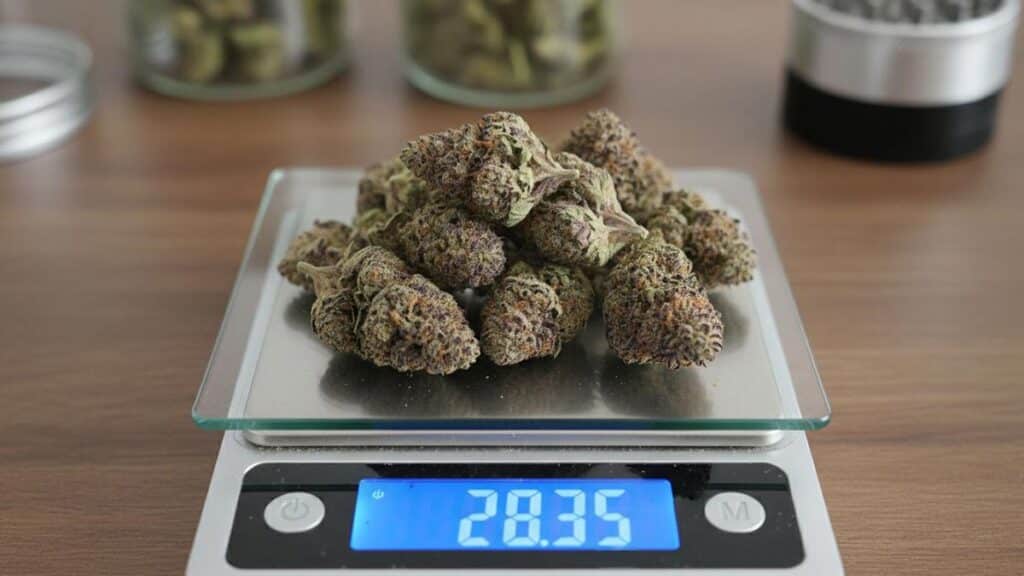
Walking into a dispensary for the first time can feel like learning a new language. You’ll hear terms like “eighth” or “zip” and wonder what they actually mean in practice. Mastering this vocabulary is your key to shopping with confidence and ensuring you always get exactly what you want.
Even though the United States primarily uses the imperial system, the cannabis world wisely operates on the metric system. Using grams as the base unit ensures consistency no matter where you are. An eighth you purchase in New York is the same quantity you’d get in California.
The real genius of the 28-gram ounce is its elegant divisibility. It breaks down perfectly into the smaller, common quantities we actually buy—like an eighth (3.5 grams) or a quarter (7 grams)—without dealing with clunky decimals.
This practical rounding has become the gold standard across the U.S. cannabis market. It streamlines the entire process, making for a smoother, more transparent experience. You can learn more about how industry standards benefit consumers by creating a reliable and predictable marketplace.
Common Weed Measurements at a Glance
To give you an instant cheat sheet, here’s a table that demystifies the common slang and connects it to exact weights. Save this, and you’ll never feel lost at the counter again.
| Common Name | Grams (g) | Ounces (oz) |
|---|---|---|
| Gram | 1 g | 0.035 oz |
| Eighth | 3.5 g | 1/8 oz |
| Quarter | 7 g | 1/4 oz |
| Half-Ounce | 14 g | 1/2 oz |
| Ounce (or “Zip”) | 28 g | 1 oz |
With this chart, you can quickly translate dispensary lingo into a tangible amount, helping you visualize exactly what you’re bringing home.
Common Purchase Amounts
To put those numbers into a real-world shopping scenario, here’s a breakdown of the most common weights you’ll see on a menu and who they’re best suited for:
- Gram (1g): The perfect “test drive.” A single gram is just enough to roll a joint or two, making it ideal for sampling a new strain without a major commitment.
- Eighth (3.5g): The industry superstar. An eighth is the most popular choice for a reason—it provides enough flower for several sessions for a casual consumer at a great price point.
- Quarter (7g): For the regular enthusiast. A quarter-ounce offers better value than buying two separate eighths and ensures you’re stocked up for a while.
- Half-Ounce (14g): The smart buy for daily consumers. With a “half-O,” the price-per-gram usually drops, making it a more economical choice.
- Ounce (28g): Also known as a “zip,” this is the heavyweight champion. It’s typically the largest amount you can buy for personal use in legal states and offers the absolute best value for connoisseurs and medical patients.
Have you ever wondered why an ounce of weed is a neat 28 grams instead of the technically correct 28.35? It’s not a conspiracy to shortchange you; it’s a brilliant, practical standard that simplifies the entire cannabis economy.
The system is engineered for ease of use. By establishing 28 grams as the standard, common weights like eighths and quarters become clean, easy-to-manage numbers. Imagine asking your budtender for “three-point-five-four-three-seven-five grams.” It would be a nightmare for pricing, packaging, and conversations.
A System Built for Simplicity
This rounding convention creates a reliable and consistent marketplace. When you walk into any licensed dispensary and ask for an eighth, you know you’re getting 3.5 grams. This standardization is crucial for building the consumer trust that the legal cannabis industry is built on.
This simple tweak on the internationally recognized metric system is a perfect example of adapting a precise standard for practical, everyday commerce. You can find more details on these cannabis measurement standards on leafbuyer.com.
The magic of the 28-gram ounce is how beautifully it divides. An ounce splits perfectly into two half-ounces (14g), four quarters (7g), or eight eighths (3.5g). This elegant math is the foundation of cannabis retail.
Ultimately, that tiny adjustment from 28.35 to 28 grams removes a layer of needless complexity. It enables simple pricing, efficient packaging, and clear communication between you and your budtender. It’s a small, thoughtful detail that ensures you always know exactly what you’re getting.
Visualizing Different Amounts of Weed
Numbers on a chart are helpful, but let’s translate them into something you can actually picture. Visualizing how many grams are in an ounce of weed—and its smaller parts—is the best way to understand what you’re buying.
Think of a single gram as roughly the size and weight of a large grape. It’s a perfect starting point, giving you just enough to sample a new strain or to use as a very occasional user.
When you buy an eighth (3.5 grams), you’re getting something closer in size to a kiwi. It’s the most popular quantity for a reason—it’s enough for several enjoyable sessions. To learn more, our guide on how many grams are in an eighth explores why this amount is the go-to for so many.
From Quarters to Ounces
Moving up, a quarter (7 grams) is comparable in size to a small apple. This is a solid choice for regular consumers who have a favorite strain and want better value without buying in bulk.
Finally, the full ounce. At 28 grams, it has a satisfying density, similar to holding a small coconut in your palm. An ounce is the preferred purchase for daily users because it offers the most significant savings and a substantial supply.
Actionable Tip: Getting a feel for these weights before you shop transforms your experience. It takes an abstract number like “3.5 grams” and turns it into a concrete expectation, so there are no surprises when you get home.
Choosing the Right Purchase Size for You
Trying to decide how much to buy can feel overwhelming when you’re faced with a menu of options. But it’s actually quite simple. The key is to match the quantity to your personal consumption habits to get the best experience and value.
Knowing these common weights empowers you to get exactly what you need without overspending.
From a Single Gram to a Full Ounce
Think of a single gram as your discovery size. It’s the perfect, low-risk way to explore a new strain you’ve been curious about. For someone who partakes only on special occasions, a gram provides a full experience without any waste.
The eighth (3.5 grams) is the undisputed crowd-pleaser. It’s the ideal amount for most people, offering enough flower to last a casual consumer a good while, letting you truly get to know a strain’s unique effects.
Ready to commit? The quarter (7 grams) is where you unlock better value. If you’ve found a strain you love and use it consistently, buying a quarter is a smarter financial move than purchasing two separate eighths.
Finally, we have the ounce. At 28 grams, this is the most economical choice. For daily consumers or medical patients, buying by the ounce delivers the absolute lowest price per gram, maximizing your budget. Just be sure you can use it while it’s fresh to get the most out of your investment.
Pro Tip: The rule of thumb is simple: the more you buy, the less you pay per gram. Dispensaries reward bulk purchases, which is why a half-ounce or full ounce is the savvy choice for frequent consumers.
If you’re curious about how pricing scales with quantity, our guide to the price of a half-ounce of weed breaks down the economics for you.
Finding the Right Amount for Your Needs
So, how do you decide? It all comes down to your lifestyle and how often you consume. Use this table as your guide.
| Quantity (Name) | Grams (g) | Best For | Average Price Range |
|---|---|---|---|
| Gram | 1 g | The Newcomer or Strain Sampler | $10 – $20 |
| Eighth | 3.5 g | The Casual, Weekend User | $30 – $60 |
| Quarter | 7 g | The Regular, Consistent User | $60 – $100 |
| Ounce | 28 g | The Daily User or Medical Patient (Best Value) | $150 – $300+ |
Ultimately, whether you’re grabbing a gram to try something new or stocking up with an ounce, understanding these weights empowers you to make an informed choice that fits your needs and your wallet perfectly.
How to Ensure You Get What You Pay For
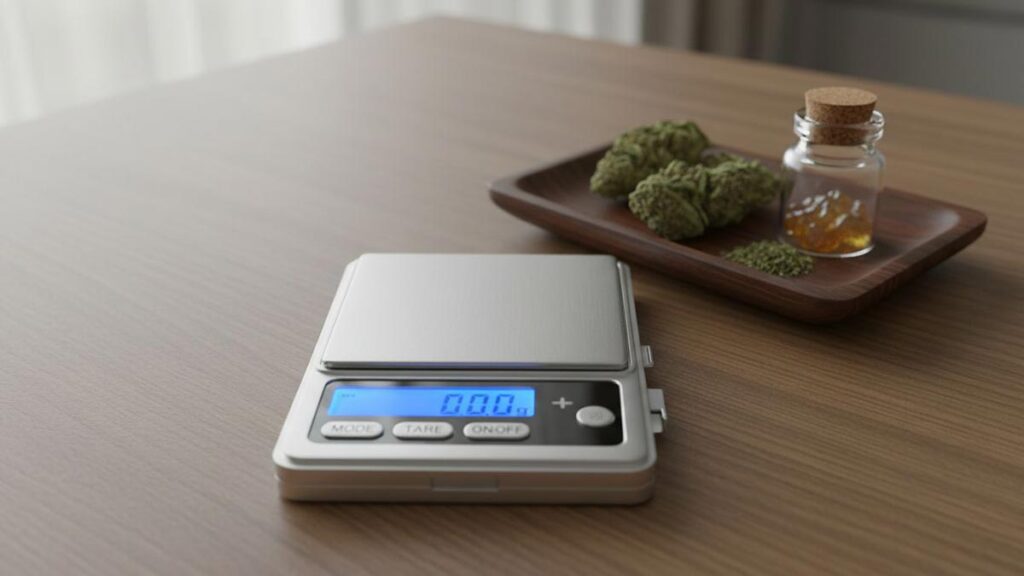
Knowing the math is one thing, but feeling confident that you’re receiving the correct amount is what truly matters. Your best defense against being shorted is choosing where you shop wisely.
Always purchase from a licensed, legal dispensary. These businesses operate under strict state regulations that mandate the use of certified scales. These instruments are regularly inspected for accuracy, giving you peace of mind that when a package says 28 grams, it contains exactly that. This consumer protection removes all the guesswork.
A Few Tips for Peace of Mind
Even when shopping at a reputable dispensary, being a proactive consumer is always a good idea. These simple checks can provide total confidence in your purchase.
- Check the Label: The first and easiest step. Every legally sold cannabis product will have a clear, professionally printed label stating the net weight.
- Invest in a Scale: For ultimate assurance, nothing beats a small digital scale at home. They are inexpensive and widely available, allowing you to verify your purchase in seconds.
Think of this as being a savvy shopper, not a skeptical one. A quick weigh-in at home simply confirms you received what you paid for, letting you enjoy your cannabis without a shadow of a doubt.
Of course, weight is just one part of the equation. Quality is equally important. A quick weight check combined with a good visual inspection for quality is the hallmark of a smart cannabis consumer. To learn what to look for, our guide on how to tell if weed is sprayed can help you spot red flags and buy with complete confidence.
A Few More Questions About Cannabis Weights
Now that we’ve mastered grams and ounces, let’s tackle a few other practical questions that often come up at the dispensary counter.
Does Bud Density Affect the Weight?
Absolutely. Two cannabis nugs that appear to be the same size can have very different weights. Dense, tightly-packed buds contain more plant matter in a smaller volume and will weigh more than light, airy buds of the same size.
This is precisely why you can’t just eyeball your purchase. When you buy an eighth or an ounce, you are paying for its precise weight (28 grams, for example), not how large the buds appear or how much space they take up in the bag.
What’s a Dime Bag or a Dub?
These are legacy slang terms from the unregulated market that you rarely hear today. A “dime bag” simply meant $10 worth of cannabis, while a “dub” was $20 worth.
The actual amount of product you received was unpredictable and varied by location, quality, and the seller. In today’s legal, regulated market, these terms are obsolete. All products are sold by precise, verified weights to ensure transparency and consistency.
In a modern dispensary, everything is built on clarity. You are purchasing 3.5 grams or 7 grams, which eliminates the guesswork of old-school street terms like a “dime bag.”
Is It Cheaper to Buy a Full Ounce?
Almost always, yes. It’s the classic “buy in bulk and save” principle. The price per gram is significantly lower when you purchase a full ounce compared to buying a single gram or an eighth.
Dispensaries offer these tiered prices to encourage larger purchases. The only thing to consider is whether you will consume it all while it remains fresh and potent. It’s only a great deal if none of it goes to waste.
At Elevation HQ New York Cannabis Dispensary, our knowledgeable team is here to guide you, answer your questions, and help you find the perfect product for your needs. From premium flower to edibles and concentrates, we’ve curated a menu designed to elevate your experience. Check out our menu online or visit us in person to discover the best cannabis New York has to offer.